It takes remarkable courage to speak out when the injustice isn’t coming from an outsider but from your own government. That is precisely what the Cherokee people did and still do in a struggle that Chadwick “Corntassel” Smith’s book, Cherokee Nation Proceed Undaunted, vividly and resolutely documents.
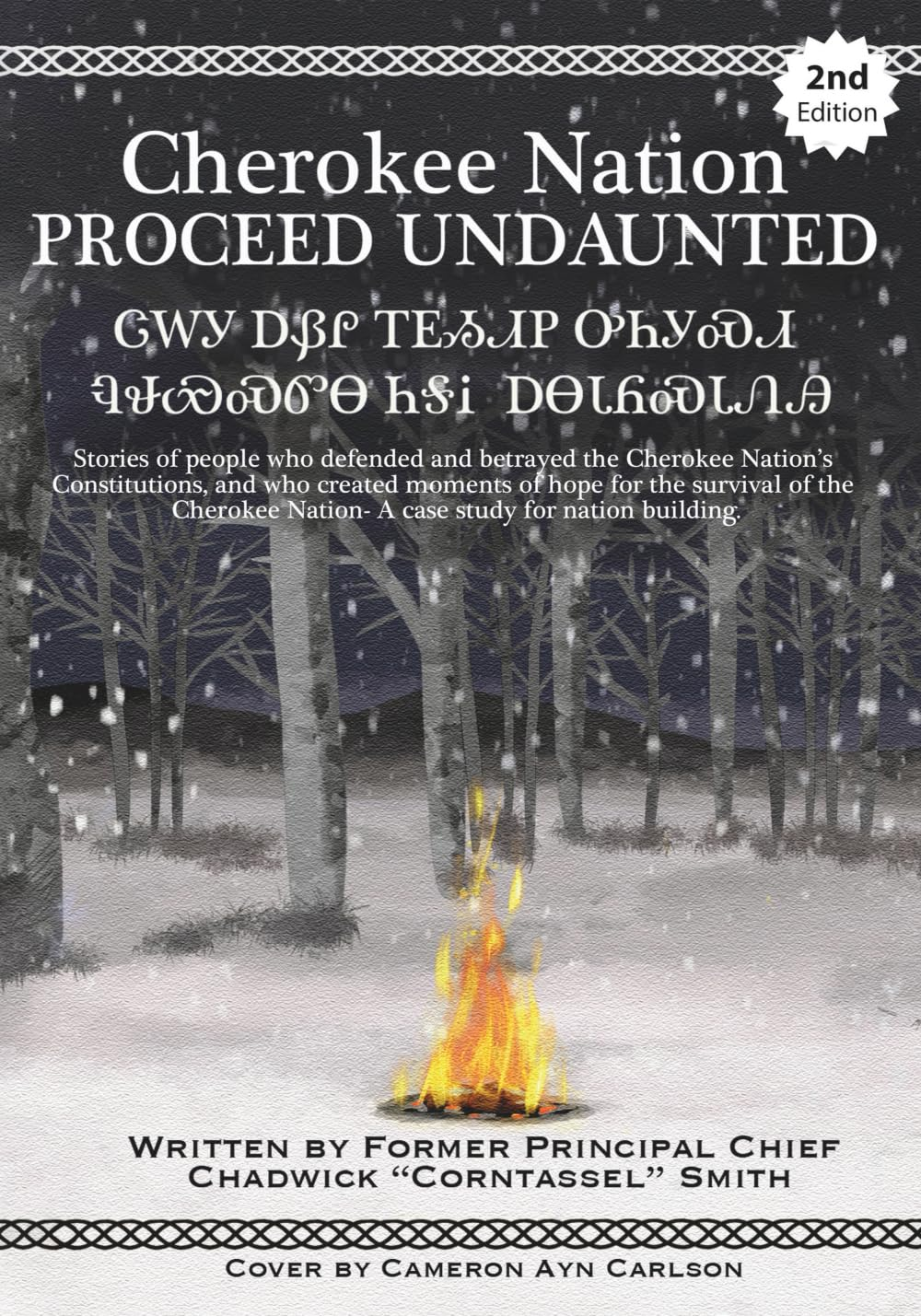
In the early 2000s, the Cherokee Nation found itself under internal threat. Being forcibly subject to federal paternalism for a century, the nation had long resisted outside forces. However, it now faced a more subdued but no less perilous threat: the threat of internal constitutional erosion.
Smith outlines with sharp detail how elected leaders took steps that contradicted not only democratic principles but also the very Constitution that legitimized their authority. Supreme Court justices in 1997 were removed mid-term without cause. The legislative branch was bypassed. In the name of political expediency, the nation’s checks and balances, which are so essential to defending citizens’ rights, were being compromised.
However, the Cherokee people did not stay silent.
From everyday citizens to legal advocates, voices began to rise. For example, they challenged unjust appointments, protested procedural violations, and demanded transparency. One of the most powerful moments described in the book was the groundswell of support for reinstating the constitutional authority of the Cherokee Supreme Court. Despite pressure and risk, reformers pushed back against executive overreach with the law.
Petitions were signed. Court cases were filed. Smith himself was instrumental in bringing forward not only legal challenges but also civic education campaigns. He recognized that a community unaware of its rights is easily controlled. The goal was not just to stop corruption. It was to awaken a collective sense of duty.
The legal victories were significant, but even more impressive was the cultural shift. Citizens began to see themselves not just as voters, but as stewards of their government. They studied the Constitution, questioned policy moves, and participated in forums that demanded accountability.
One illustrative example in the book was the defense of the Cherokee Judicial Appeals Tribunal. It was a vital mechanism for reviewing government actions. When attempts were made to reduce or eliminate its authority, community members mobilized. Their resistance was not political theater; it was constitutional defense in action.
In many ways, this was a reclaiming of Indigenous governance. Smith argues that the Cherokee tradition has always held space for balance, debate, and justice. What was happening in this era was a return to form.
This internal challenge to injustice wasn’t clean or easy. There were losses, disappointments, and divisions. But there was also perseverance and an obvious result: a government more accountable to its people than before.
Smith’s message is clear. Sovereignty doesn’t just mean independence from outside forces. It also means the capacity to self-correct. When corruption creeps in, it is the responsibility of the governed to respond. And in the Cherokee Nation, that response was bold, lawful, and ultimately, transformative.
The fight for justice within the Cherokee government didn’t just protect the Constitution but revived it. It brought to life the principles that generations had fought to preserve against injustice, wherever it comes from.
But history repeats itself almost two decades later with many of the same players from 1997. This time the threat to the Cherokee Nation is kleptocracy of the administration and Council, and a Supreme Court that turns a blind eye to Cherokee citizens. The conflict in 1997 was over power and a Principal Chief’s failure to follow the Constitution. Today,the stakes are higher because driving the rejection of constitutional duties by the three branches of government, in addition to power, is money.
Order your copy on Amazon : https://www.amazon.com/dp/B0FN47D586/