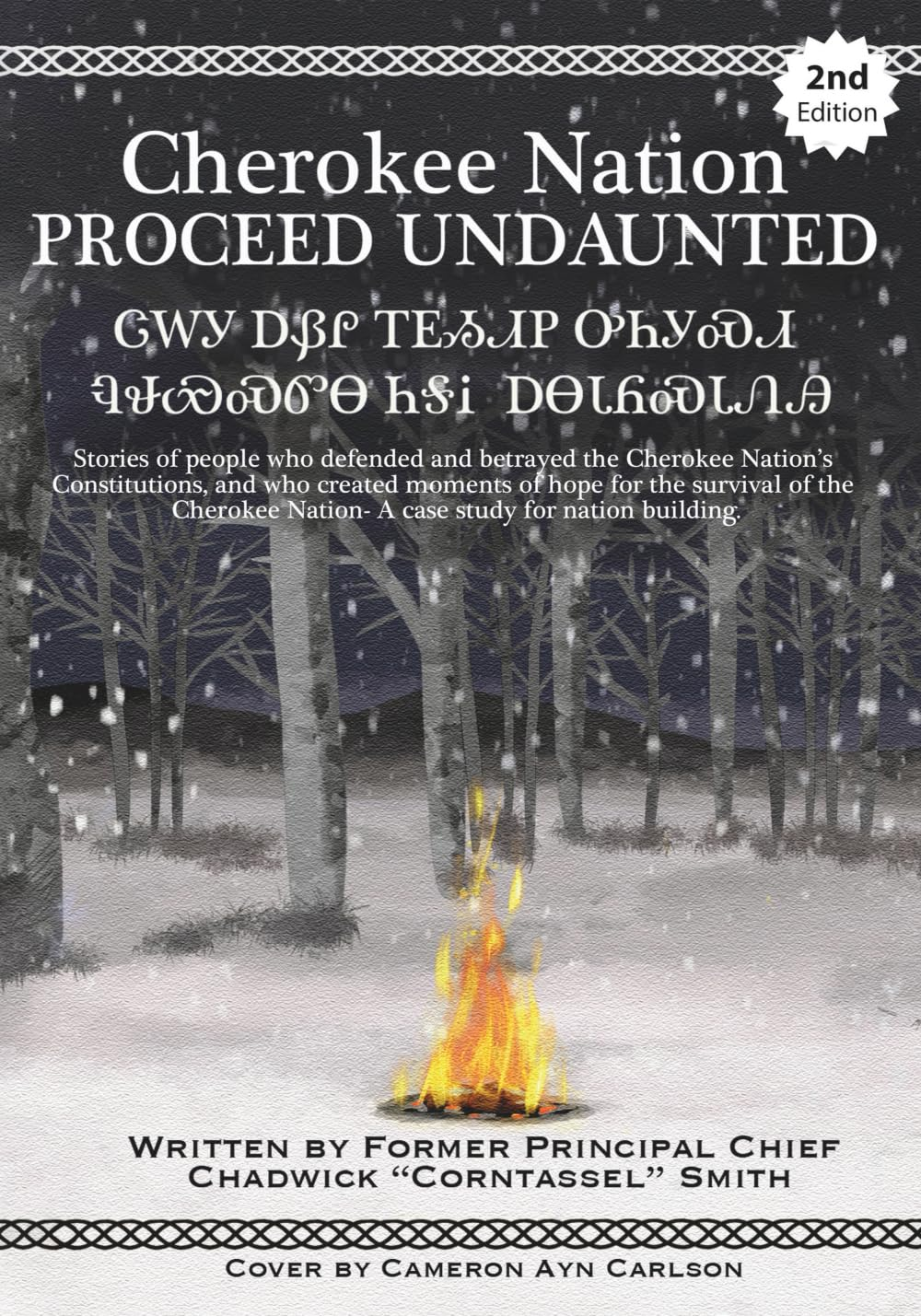
Freedom of speech is a cornerstone of any democracy, yet in many governments, political dissent is met with resistance. The Cherokee Nation, with its long history of governance, has faced ongoing debates about the role of free speech in its political system. As Chadwick “Corntassel” Smith details in Cherokee Nation: Proceed Undaunted, dissent within the Nation has often been met with suppression rather than open debate.
A History of Political Retaliation
Throughout the history of the Cherokee Nation, leaders who challenged the status quo have often faced retaliation. Smith outlines multiple cases where individuals who spoke out against corruption or constitutional violations were silenced or punished.
One of the most egregious examples occurred in 2016 when whistleblower protections were disregarded in cases involving government employees who criticized political leaders. The Pennington and Comingdeer cases, as Smith explains, highlighted how individuals were stripped of their positions or faced legal challenges simply for voicing concerns about leadership misconduct.
Another case involved the Cherokee Nation’s attempts to control access to information. Smith discusses the 2023 Reed and Moore cases, where the administration allegedly kept important government records from the Cherokee people, limiting their ability to question policies or hold officials accountable. This lack of transparency directly contradicts the principles of an open democracy.
Are Critics Welcomed in the Political Process?
While the Cherokee Nation has democratic elections and an independent judiciary, Smith argues that political criticism is often met with hostility. He describes how media control, selective enforcement of laws, and retaliatory measures have created an environment where many citizens are hesitant to speak out.
One example is the suppression of information regarding election finance laws. In 2014 and 2019, Smith details how legal loopholes allowed politically connected individuals to bypass financial disclosure requirements, making it difficult for the Cherokee people to scrutinize campaign funding. When critics pushed for reform, their concerns were largely ignored.
Additionally, Smith discusses the broader trend of nepotism and favoritism within Cherokee governance. Those who align with political leadership are often rewarded, while those who question authority risk losing opportunities within the government.
Moving Toward True Free Speech
For the Cherokee Nation to strengthen its democracy, it must embrace open political discourse rather than suppress dissent. Smith advocates for stronger whistleblower protections, greater transparency in governance, and media independence to ensure that all Cherokee citizens can participate in the political process without fear of retaliation.
The right to speak freely is essential for a thriving democracy. If the Cherokee Nation wishes to preserve its sovereignty and uphold its constitutional values, it must ensure that critics are not just tolerated—but welcomed.