When most people think about the Cherokee Nation, they often recall the Trail of Tears. It was a heartbreaking chapter marked by forced removal, deep suffering, and unyielding survival.
But what often goes unnoticed is the quieter, ongoing struggle between the Cherokee Nation and the United States government. It’s a fight that doesn’t involve weapons but is instead waged through legal arguments, historic treaties, and the enduring determination to govern independently.
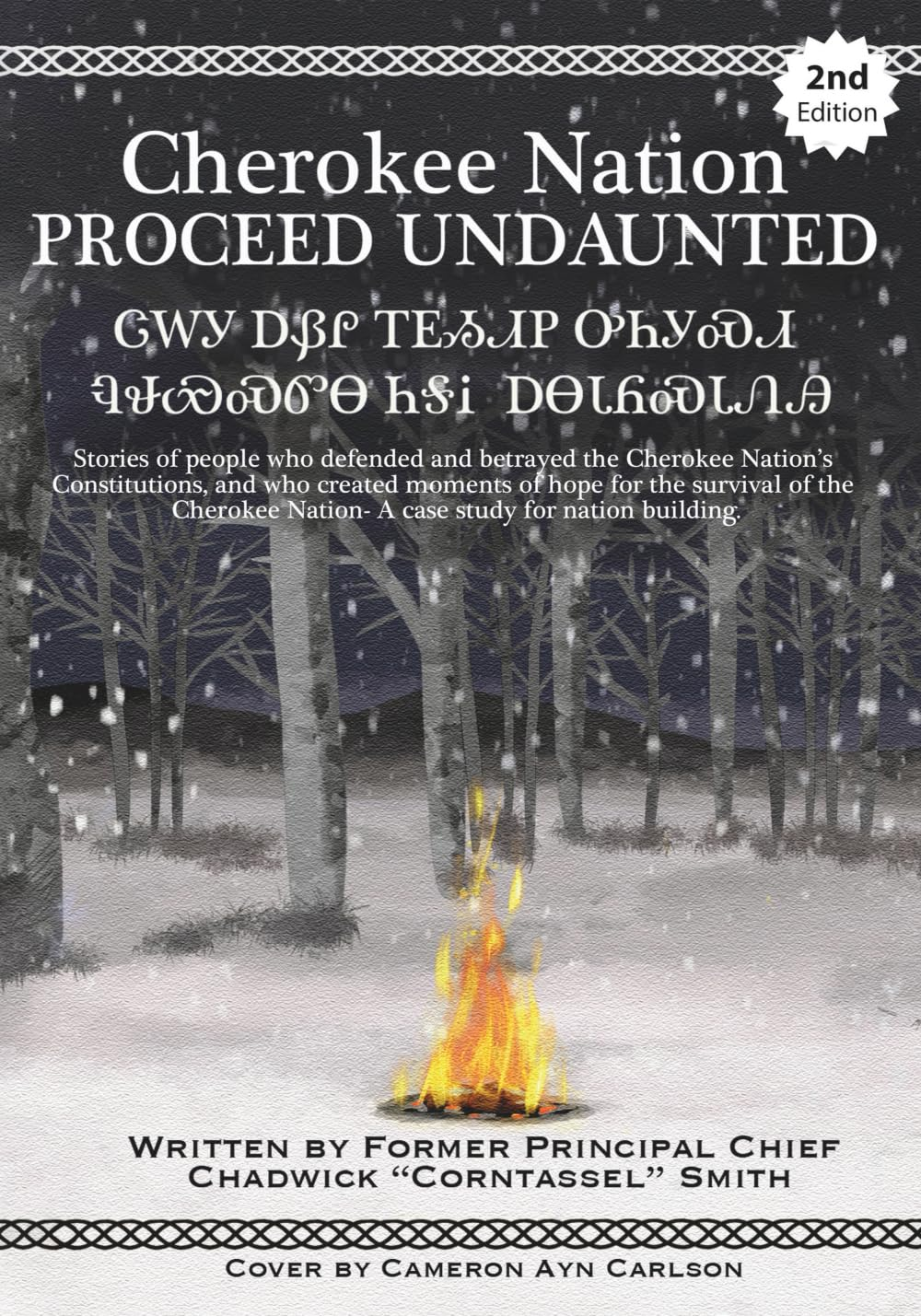
In Cherokee Nation Proceed Undaunted, former Principal Chief Chadwick “Corntassel” Smith offers a rare and revealing look at this long-standing legal and political fight. His perspective gives us a vivid, real-world case study of what it truly means for an Indigenous nation to stand firm in defining itself while facing persistent federal interference.
At the center of this struggle is one fundamental issue: sovereignty. Time and again, the Cherokee Nation, like so many other tribal nations, has been promised the right to self-govern through formal treaties and laws. Yet those promises have too often been broken. The U.S. government has a history of ignoring them. Whether it’s through dismantling tribal courts, meddling in elections, or imposing outside systems and standards that undercut Native authority, the list goes on.
Smith shows how these intrusions aren’t always loud or visible. Sometimes, they’re hidden in funding threats or bureaucratic rules that pressure tribal nations to mold themselves to fit federal preferences. Other times, it’s the legal double standards that speak volumes, like how Cherokee courts don’t receive the same respect as state or federal ones, even within the Nation’s own lands.
One powerful example Smith points to is the very term “federal Indian law.” This body of law shapes everything from legal jurisdiction to land ownership, but it often serves federal interests more than it defends tribal sovereignty. As Smith explains, real self-determination can’t thrive in a system that treats Native nations as dependent or secondary players.
This book also highlights how the Cherokee Nation has answered back. With resilience, careful strategy, and a clear vision, the Nation has pushed forward. Smith shares how tribal leaders, judges, and citizens have resisted overreach not just by standing up for their rights but by building strong institutions that can hold their own. For example, they’ve created their constitution. They’ve developed their own judicial system. They’ve managed sophisticated economic ventures and healthcare programs. In doing so, the Cherokee Nation has shown that it needs room to lead.
Perhaps the struggle continues, but Smith remains hopeful. He believes the Cherokee Nation and other Indigenous nations must keep standing strong, insisting on the right to govern according to their own values and traditions. Real success, he argues, comes not from being recognized by Washington but from being recognized by your own people and creating governments that reflect who they are.
In the end, the Cherokee fight for sovereignty isn’t finished. Yet it also proves just how much can be achieved through committed leadership, clear legal thinking, and deep cultural roots. For Indigenous nations everywhere, this story offers the strength to gain back sovereignty.
Order your copy on Amazon : https://www.amazon.com/dp/B0FN47D586/